Published
Source: Sistema Mexiquense (opens in a new tab)
A State of Mexico podcast walks through the notes
Marlene Loza, on Sistema Mexiquense (7 October 2026), goes from the 1535 mint to the Sor Juana 100 pesos and the axolotl 50, and explains that the 500 is still current.
- Reviewed by
- Yezid Acosta
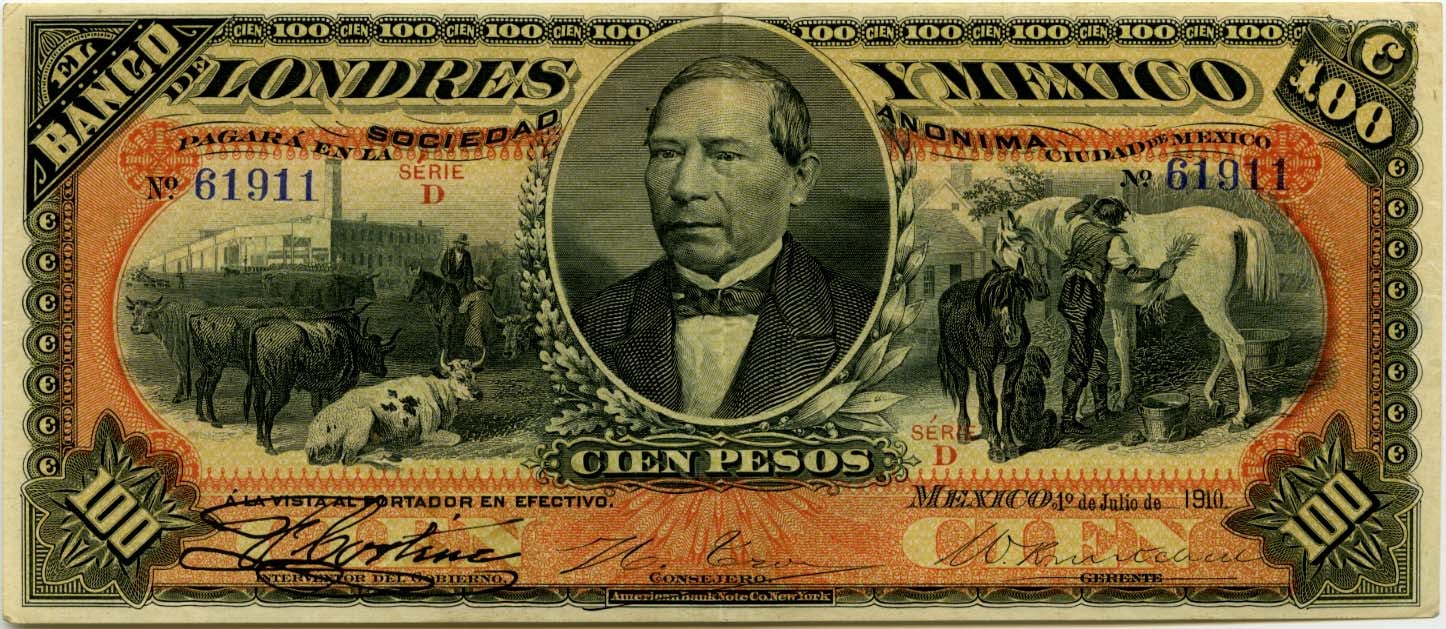
Sistema Mexiquense de Medios Públicos (opens in a new tab) published on 7 October 2026 the episode “Los billetes de México: historias que llevamos en las manos,” by Marlene Loza. It is a radio talk on notaphily, not a price list. The notes she names are not identified as pieces in Notofilia’s virtual collection.
From metal to paper
Loza starts in 1535, with the Mexico City mint, and in 1536, with the Charles and Joanna coins, silver and hammer-struck. She places cardboard pieces of 1813 in San Miguel el Grande as an early step toward paper. She recalls that in the nineteenth century several banks issued their own notes and that during the Revolution the bilimbiques circulated. Banco de México, she says, opened on 1 September 1925; the first notes were printed in New York, and the bank’s own factory arrived in 1969. Those dates are the episode’s. Among the sources it prints is the Banxico Educa page on banknote production (opens in a new tab).
Faces
For the 1930s she names “La Gitana” on a five pesos and the “Tehuana” on a ten. Josefa Ortiz de Domínguez, she says, appeared on the five pesos that began to circulate in 1971. Sor Juana Inés de la Cruz is on the face of the Family G 100 pesos, issued in 2020, with the Monarch Butterfly Biosphere Reserve on the back. Loza recalls that the International Bank Note Society chose it as the 2020 banknote of the year, and the 50 pesos with the axolotl as the 2021 banknote of the year. The episode links the IBNS page (opens in a new tab) for the 50-peso note.
The 500 remains
On the rumour that the 500-peso note was withdrawn, Loza draws a line: retiring a family or a design is not retiring the denomination. The Family G 500, with Benito Juárez and the gray whale, is still in circulation. Worn notes are withdrawn and replaced. She invites listeners to visit the Museo de Numismática del Estado de México in Toluca, and to ask, of a 50, 100, 200, 500, or 1,000 peso note, who is pictured and why.
Primary sources
Source: Sistema Mexiquense (opens in a new tab)
Editorial policy, sources, and valuation
Comments
Share your view. Comments appear after they are reviewed.
Loading comments…