Published
Source: Infobae (opens in a new tab)
The Tegucigalpa museum that holds more than 4,000 pieces
Infobae tours the Banco Central de Honduras’s Rigoberto Borjas Numismatic Museum: about 4,000 pieces, from the pre-Hispanic period to the lempira, free and open to the public.
- Reviewed by
- Yezid Acosta
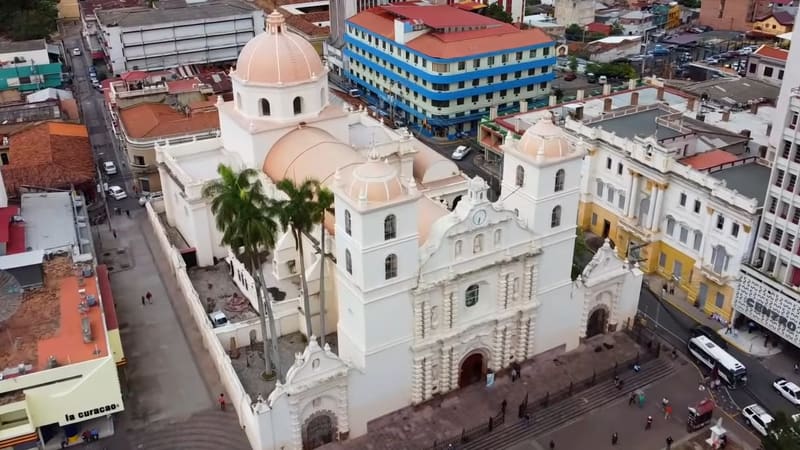
Infobae (7 September 2026) visits the Rigoberto Borjas Numismatic Museum, in the Central Bank of Honduras headquarters in Tegucigalpa. It holds about 4,000 pieces from the payment systems that have circulated in the territory: the pre-Hispanic period, the colony, independence, the Republic, and recent years. The name honours Rigoberto Borjas, the bank’s first chief of accounting, who died in 1996.
From the holding to the 2016 building
Infobae places the bank’s cultural project in the mid-twentieth century. When the new headquarters opened in 2016, the collection moved to the present building. The Wikipedia entry (opens in a new tab) dates the public opening to 3 June 1993, in the old downtown seat, and today’s address on Fuerzas Armadas boulevard, Monday to Friday 9:00 to 15:00.
The same bank keeps a library, a picture gallery, and rooms for temporary shows. The idea, the note says, is that a public institution should not stop at monetary policy.
The lempira in the cases
Ernesto Argueta, head of the unit and more than 20 years at the bank, defines numismatics as the study of coins and other means of exchange. A piece, he says, tells you about a period, a society, and the conditions in which it was used. The tour shows how those changes tracked the building of the state and the consolidation of the lempira as the official currency.
Wikipedia lists types Infobae only groups by period: the colonial Spanish real, that of the Federal Republic of Central America, the Honduran real (1832–1862), the peso (1862–1931), and the lempira from 1931. It also mentions Persian, Greek, and Roman pieces. This note does not turn that list into a case inventory.
Public and free
The museum is public and free. Argueta stresses that culture has to be passed on if new generations are to value it: the pieces work as a visual tool for students, families, and researchers. More detail in Infobae (opens in a new tab).
Primary sources
Source: Infobae (opens in a new tab)
Editorial policy, sources, and valuation
Comments
Share your view. Comments appear after they are reviewed.
Loading comments…