Published
Source: Perfil Córdoba (opens in a new tab)
Córdoba collectors: memory against the age of immediacy
Perfil Córdoba (26 September 2026) profiles three members of the Círculo de Coleccionistas de Córdoba, including numismatist Gustavo Russo, on collecting as resistance to a throwaway culture.
- Reviewed by
- Yezid Acosta
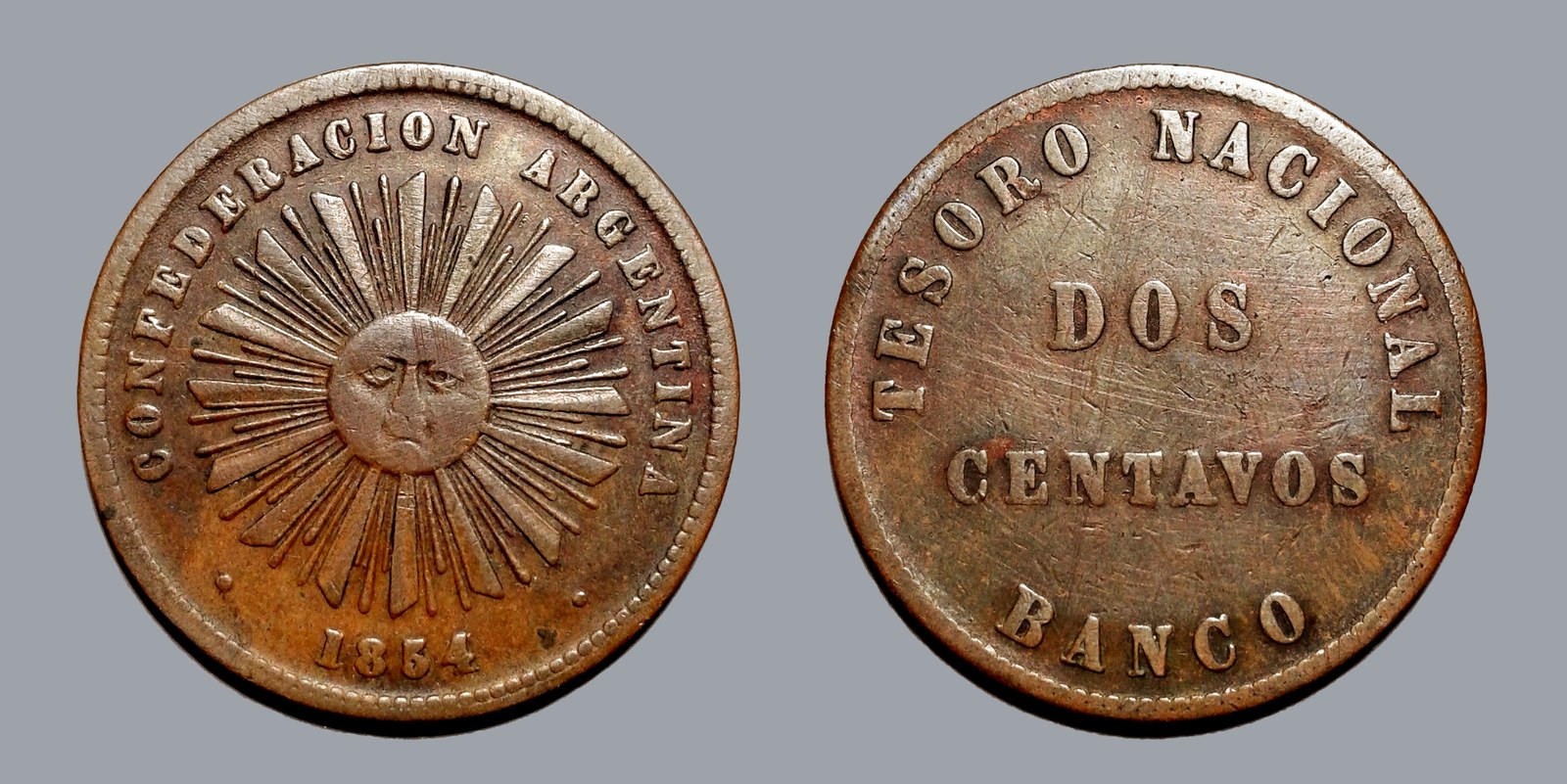
Perfil Córdoba (opens in a new tab) (Guillermina Delupi, 26 September 2026) brought together three members of the Círculo de Coleccionistas de Córdoba — a collectors' circle founded in 2019 in the Argentine city of Córdoba — to talk about what it means to keep objects from the past in an age Zygmunt Bauman called liquid modernity, where everything turns provisional and nothing is built to last. Among those interviewed is numismatist Gustavo Russo, who also collects medals, old photographs, and railway and postal pieces.
Coins that testify to an era
For Russo, a numismatic piece's value lies in the historical testimony it carries. "A piece from Argentina's federal era takes me back to the founding of our country, to 1853, to the passing of the Constitution, and to the fight for federalism," he told Perfil Córdoba. His pieces include coins issued by rural estates and public-transport tokens: estancia payment tokens that, he explains, "marked a way of working and the absence of labor laws." Collecting, he argues, makes it possible to see how people once lived, communicated, and paid.
Letters, postcards, and lost patience
Russo also keeps old photographs and correspondence, and he contrasts that patience with today's immediacy: "To know if a friend had sent us a greeting from Spain, we had to wait for the postcard to arrive," he recalls. He also worries about how long digital records will last: "I don't know where all this digital material is going to be kept, archived, or how we'll be able to see it 50 or 100 years from now," he said, betting on paper and the printed object as the more durable record.
Objects that tell stories
The other two collectors extend the same argument from different holdings. Eduardo Argüello, who collects freestanding advertising pieces from the late nineteenth and twentieth centuries, notes that "close to 80 percent of the objects now in the world's museums passed through collectors' hands first," and argues that the search for a piece, more than owning it, is what gives the hobby its meaning. Enrique Orschanski, a collector of barbershop and domestic-life objects for 35 years, describes collecting as "a form of protest against the ephemeral, the fleeting, and the transitory."
Custodians, not owners
All three agree on one ethical point: they see themselves as temporary custodians, not final owners. The Círculo de Coleccionistas de Córdoba made it a condition of membership that collections be made public and the information shared. None of them impose the legacy on their children, either — for Argüello, "the pieces keep moving on to better hands, other collectors, until at some point they end up in a museum."
Primary sources
Source: Perfil Córdoba (opens in a new tab)
Editorial policy, sources, and valuation
Comments
Share your view. Comments appear after they are reviewed.
Loading comments…