Published
Source: El Rancagüino (opens in a new tab)
Collectors in Rancagua and their heritage
El Rancagüino follows coins, banknotes, and other family collections; Héctor Osorio has spent 30 years with Chilean pieces.
- Reviewed by
- Yezid Acosta
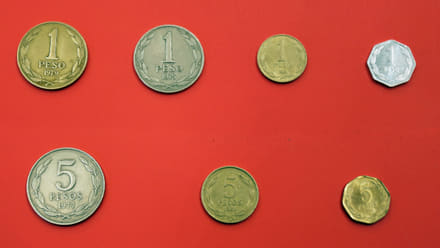
Fernando Ávila’s feature in El Rancagüino (18 August 2026) opens a door to six collections in Rancagua. For numismatics, Héctor Osorio’s coins and medals and Raúl Canales’s paper money (profiled separately) matter most. The rest of the report — PEZ dispensers, Sailor Moon figures, vinyl, gramophones, and carpentry tools — shows the same habit of keeping memory, without being a coin catalogue.
Coins, medals, and a group
Osorio has spent three decades gathering Chilean coins, tokens, and medals. The text cites pieces tied to O’Higgins, El Teniente, and the 1962 World Cup. The focus, the report says, is explaining history to children and young people, not displaying a price.
The paper names the Agrupación Cultural y Social de Coleccionistas Rancagua, close to twenty members. It takes part in Heritage Day and wants more space to show the holdings. Membership figures and the calendar should be confirmed with the group: the text itself asks for that caution.
Families who inherit the craft
In the same house, young Héctor Osorio continues his grandmother’s PEZ dispensers and Laura Osorio (10) her mother’s Sailor Moon figures. Rodrigo Osorio remembers tickets, stamps, Transformers, and Saint Seiya. They are family threads, not numismatic tickets, but they explain why the feature treats collecting as everyday heritage.
A public display, the protagonists agree, needs identification, provenance when it is known, and a period explanation. More detail in El Rancagüino (opens in a new tab).
Source: El Rancagüino (opens in a new tab)
Editorial policy, sources, and valuation
Comments
Share your view. Comments appear after they are reviewed.
Loading comments…