Published
Source: La Razón (opens in a new tab)
La Razón: near Truso, silver was cut to pay
La Razón (1 October 2026) returns to the six dirhams and two fragments from the Młynary forest. Grzegorz Kurka explains that the silver was cut for payments, and that a whole coin turns up much less often.
- Reviewed by
- Yezid Acosta
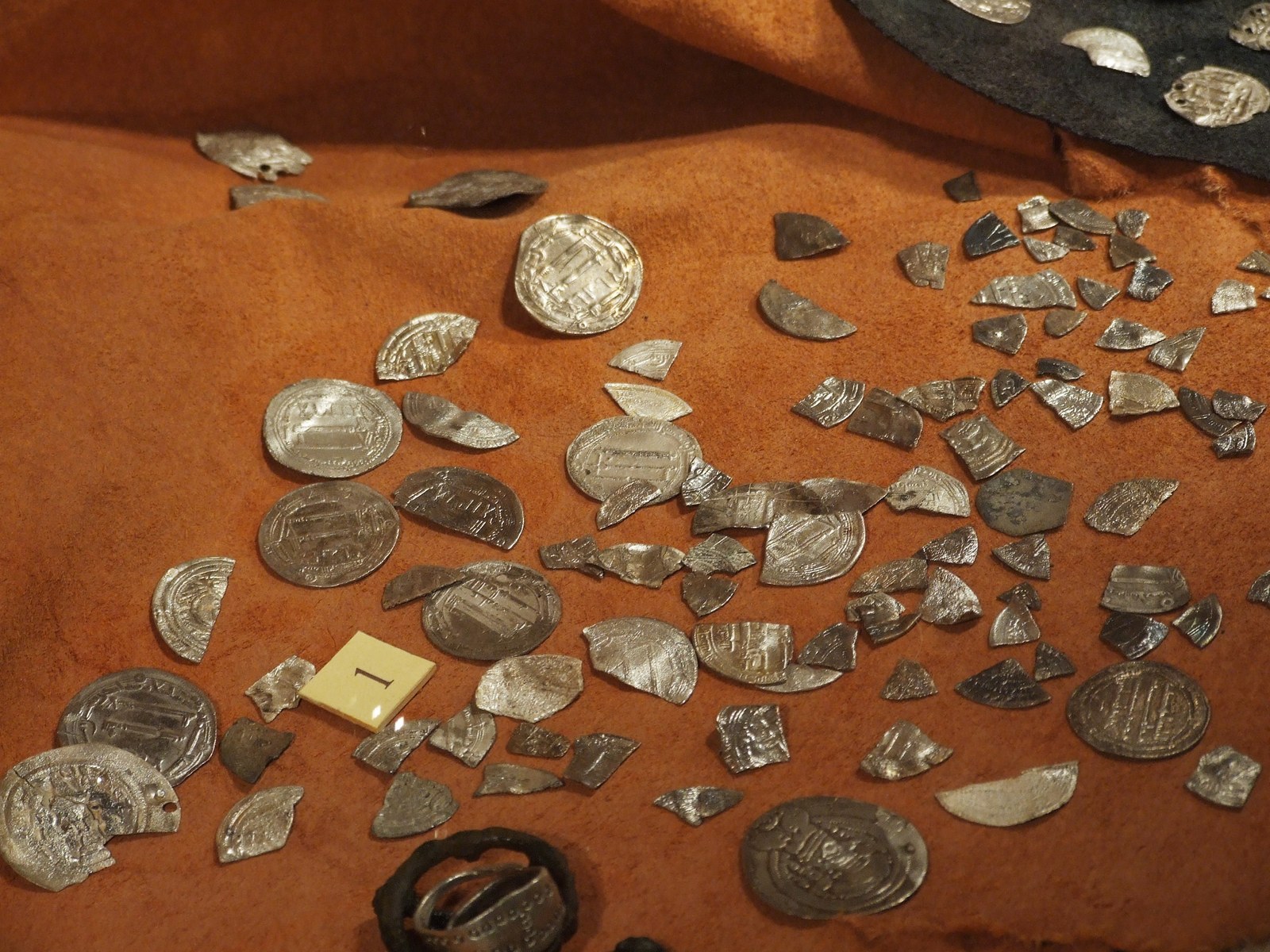
La Razón (opens in a new tab) (Almudena Rodríguez, 1 October 2026) returns to the find of six Arab dirhams and two silver fragments in a forest at Młynary, near Elbląg in northern Poland. The note places the first dating in the first half of the ninth century. The museum, Truso, and the 1986 deposit are in the note of 28 September. These pieces are not in Notofilia’s virtual collection.
Cut silver
What La Razón adds is archaeologist Grzegorz Kurka’s account: the silver was used as payment by the value of the metal, and the coins were cut for transactions. “Whole coins are also found, but much less often,” he said. The two fragments in the find fit that use. La Razón does not say where it takes the sentence from.
The site, and what is still open
The pieces came from an authorized search in the Młynary area. La Razón writes that the finder has not been named in public. Jakub Jagodziński, of the Archaeological and Historical Museum in Elbląg, repeats — as the paper has it, via the PAP agency — that a closer date will be possible only after study, and that the coins, struck in the ninth century, may have stayed in circulation until the late tenth or early eleventh century, when Truso stopped functioning. Archaeologists will go to the site to see whether more pieces remain. The group will be conserved and studied before it goes on display at the museum.
Primary sources
Source: La Razón (opens in a new tab)
Editorial policy, sources, and valuation
Comments
Share your view. Comments appear after they are reviewed.
Loading comments…