Published
Source: Diario de la Ribera (opens in a new tab)
In Aranda, the next generation of collectors is hard to find
Diario de la Ribera (1 November 2026) interviews David Cuesta: the Aranda show runs through the 6th, and young collectors are scarce.
- Reviewed by
- Yezid Acosta
Diario de la Ribera (opens in a new tab) (Begoña Cisneros, 1 November 2026) interviews David Cuesta Carrasco, president of the Asociación Filatélica de Aranda de Duero. The Casa de Cultura is hosting the exhibitions through 6 November. It is not an inventory of Notofilia.
The culture house, through the 6th
The stamp exhibition is in its 48th edition and the numismatic one in its 42nd. Cuesta says this year’s collections come from different parts of Spain, and that some exhibitors are back with what they have added. The aim, he says, is that a returning visitor does not find the same thing every time.
The Christ stamp
Each year they look for an anniversary of Aranda, or of someone tied to the town, and from that they build the theme, the stamp, and the cancellations. The work takes nearly the whole year. In 2026 they chose the 75th anniversary of the Hermandad del Santísimo Cristo. They also put together a magazine: this year it carries a text by Manuel, the senior brother, another by the parish priest, and material from Maxi, who usually supplies documents and old photographs.
No premises
The rest of the year the association works for its members. It gathers the annual sets of circulating coin, from the cent to the two-euro piece, for anyone who asks, and it advises on stamps and coins. When they had a room in the Red Cross building, Cuesta says, people came in to ask about inherited collections, including from Madrid. There is no premises now. The material is split up, and each member keeps a share at home. They have spoken with the councillor and are waiting for a municipal room where they can meet once a week, trade information, and see anyone who asks. The dues are small, almost symbolic. That money pays for the magazine, the stamps, and the exhibition. It does not cover a rent.
The handoff
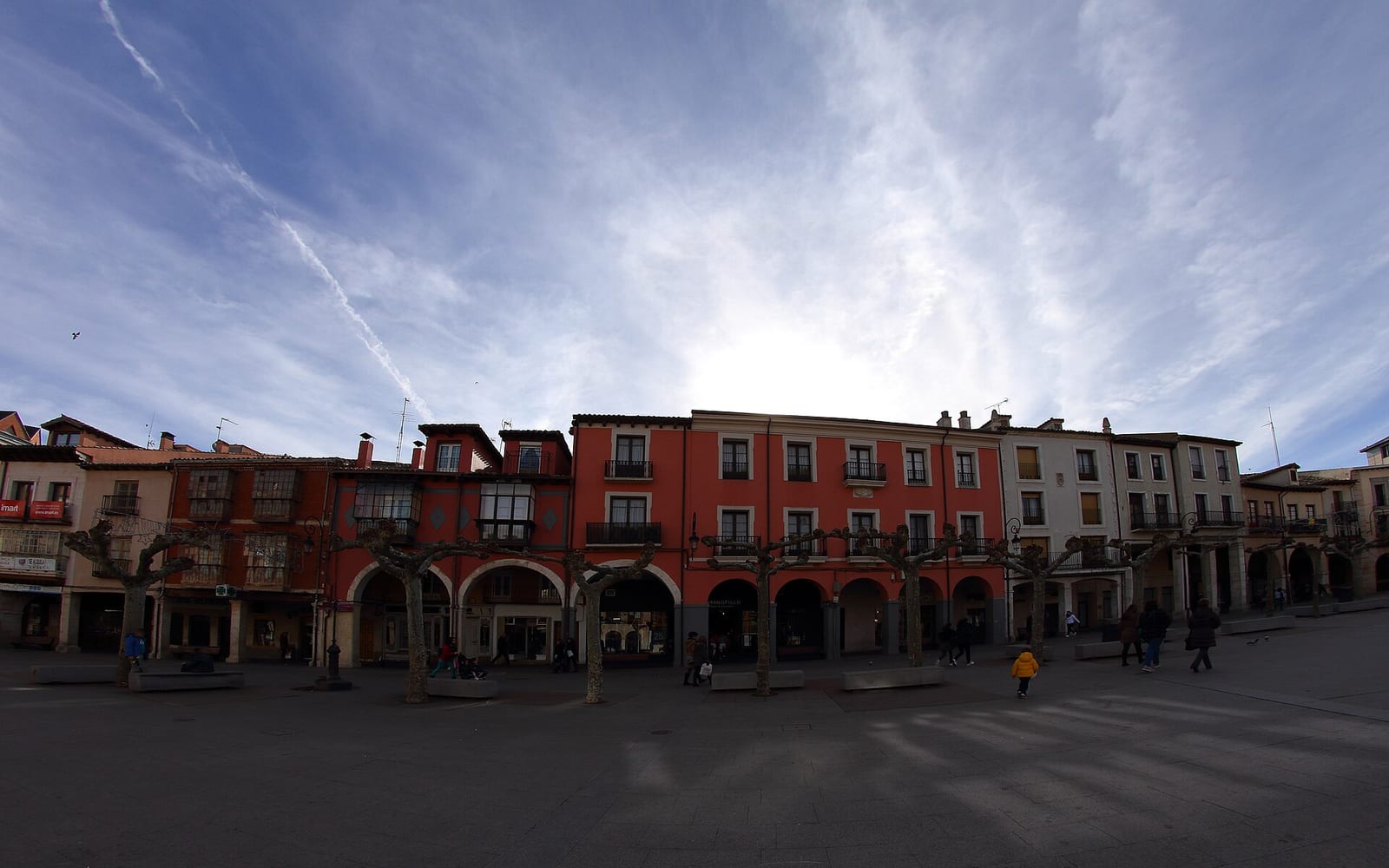
Cuesta holds that Aranda has a philatelic and numismatic tradition. On Sunday mornings, he recalls, collectors met in the Plaza Mayor: they traded coins, stamps, and what they knew. The trouble, he says, is that many have grown old and young people are hard to draw in. He started very young, with Félix, the previous president, and with the companions of that square. He collects circulating coin from countries around the world, the pieces people actually spend. Coins, notes, and stamps, he adds, open a view onto the history, culture, customs, or nature of other countries.
The postcard
This year there is a postcard of the Christ, which they had not made in this form. Before, they prepared philatelic documents. They were told a postcard might be better received: it is small, easy to keep, and useful. It can be written on, stamped, cancelled, and mailed. During the exhibition they sell this year’s material and what remains from earlier editions. That sale helps with the costs. What Cuesta puts first is that the hobby be known, and that it continue.
Primary sources
Source: Diario de la Ribera (opens in a new tab)
Editorial policy, sources, and valuation
Comments
Share your view. Comments appear after they are reviewed.
Loading comments…