Published
Source: La Voz de Galicia (opens in a new tab)
The Wamba tremissis from Tui is now protected
Decree 96/2026, in the 8 October gazette, lists the Visigothic tremissis of Wamba, Tude mint, as cultural heritage: gold, 1.35 g and 20.4 mm. The 2025 hammer was €32,400.
- Reviewed by
- Yezid Acosta
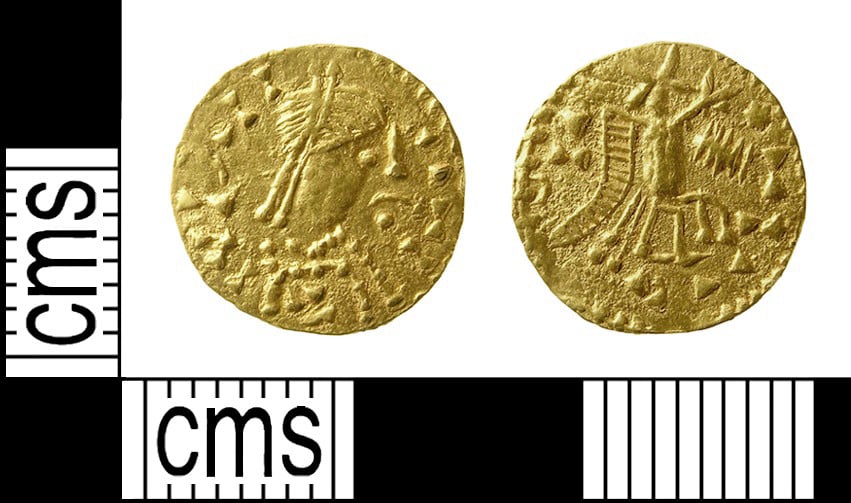
La Voz de Galicia (opens in a new tab) (Tui, 8 October 2026, updated at 13:09) reports that the gold tremissis of the Visigothic king Wamba, struck at Tui, received Galicia’s highest heritage protection. The same day the Diario Oficial de Galicia (opens in a new tab) published Decree 96/2026, of 28 September, listing six coins as assets of cultural interest. The Tui coin is one of them. The 3 October note recorded that the decree was not yet in the gazette. It is there now. None of these coins is in Notofilia’s virtual collection.
What the decree sets
The annex describes the specimen as: Visigothic kings, Wamba, tremissis, mint of Tude, gold of 1.35 g, 20.4 mm, excellent condition, and calls it unique. It adds that Wamba’s issues at Tui are less common than those of Braga (Bracara Augusta) and that this king’s tremisses were scarce. The six coins belong to the Xunta and are on deposit at the Museo Arqueológico Provincial de Ourense. La Voz writes that they are expected to go on display in the cloister of San Francisco. That gallery is not named in the decree’s articles.
From the auction to the gazette
The decree recalls the file opened on 23 June 2025, published on 24 June, covering seven coins from the collection of Antonio Orol Pernas (Ferreira, O Valadouro). The Jesús Vico auction in Madrid was on 25 June 2025. On 9 October 2025 the Ministry of Culture reported that it had pre-empted the quarter excelente of the Catholic Monarchs, A Coruña mint, for the National Archaeological Museum. That coin stays outside the decree.
La Voz repeats the hammer for the Tui tremissis: €32,400. That is the figure Jesús Vico certified and the pre-emption order of 14 January 2026 (opens in a new tab) reprints. It is the hammer of 25 June 2025. La Voz places the coin between 672 and 680, when the city was called Tude. The decree publishes the king, the mint, and the measurements.
Primary sources
Source: La Voz de Galicia (opens in a new tab)
Editorial policy, sources, and valuation
Comments
Share your view. Comments appear after they are reviewed.
Loading comments…